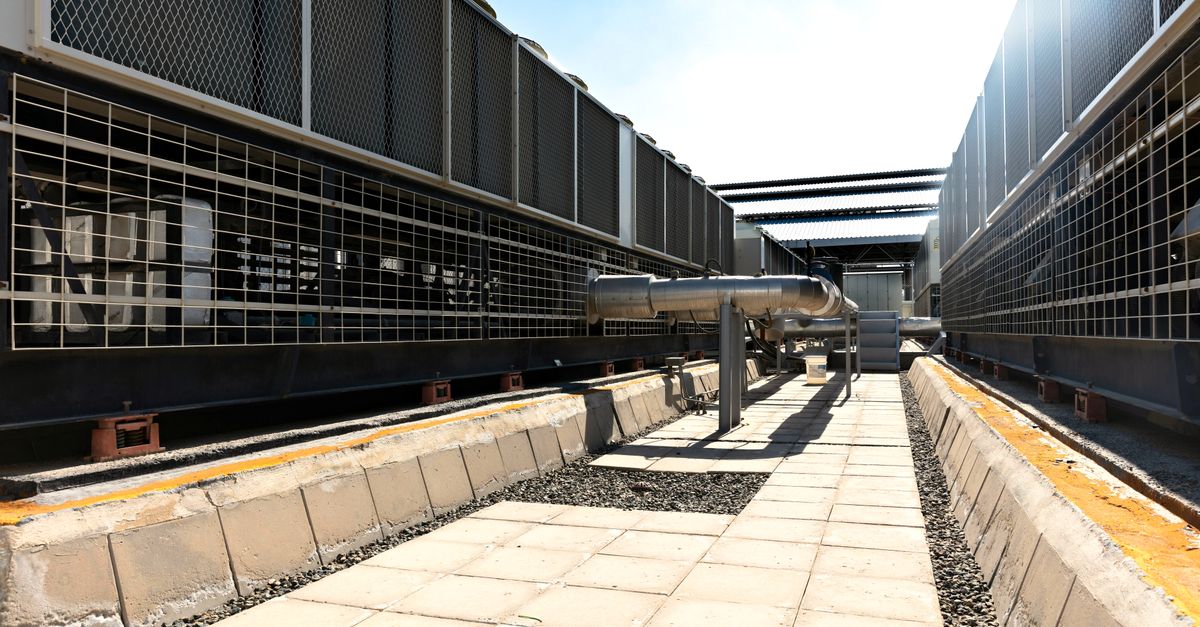
ventilation vocabulary
Technical Vocabulary for Ventilation
Écoutez le texte du cours.
🎧 Read/Listen first
In the field of ventilation, understanding the technical vocabulary is essential. Ventilation systems are designed to ensure proper air circulation in buildings. Key components include ducts, fans, and filters. Ducts transport air throughout the space, while fans help to move the air efficiently. Filters are crucial for maintaining air quality by removing dust and pollutants. When discussing ventilation, it is important to compare different systems based on their efficiency and cost. For example, a balanced ventilation system can provide fresh air while minimizing energy loss. Additionally, understanding the terms related to airflow, pressure, and energy consumption can help in making informed decisions. Proper ventilation not only improves comfort but also enhances health by reducing indoor air pollutants.
⚡ Learning goals
- Learn key technical vocabulary
- Understand ventilation system components
- Use vocabulary in context
🔑 Key language
- What type of ventilation system do you recommend? I recommend a balanced ventilation system.
- The ducts need to be properly insulated. Insulation helps maintain temperature.
- Filters improve indoor air quality. High-efficiency filters remove more pollutants.
🌍 Global comprehension
AI writing analysis
Task: Explain the importance of ventilation in buildings.
Write a short paragraph using the vocabulary from the lesson.
Success criteria: Clear explanation with correct vocabulary.
- ventilation
- ducts
- fans
- filters
- air quality
- simple present
- comparative structures
✍️ Vocabulary
🧠 Flashcards interactives
Choisissez la bonne réponse, écoutez le modèle, puis répétez à voix haute.
⚙️ Rules & Grammar
🟣 Using Comparatives
Rule:
Comparatives are used to compare two things. For example, you can say one system is more efficient than another. This helps in making decisions based on performance.
- This system is more efficient than the previous one.
- Ductless systems are less noisy than traditional ones.
- Using 'more' with one-syllable adjectives. → Use 'better' instead of 'more good'.
- For two-syllable adjectives, using 'more' incorrectly. → Use 'faster' instead of 'more fast'.
🟣 Understanding Air Quality
Rule:
Air quality refers to the cleanliness of the air we breathe. Good air quality is essential for health, especially in enclosed spaces. Filters play a key role in maintaining air quality by removing pollutants.
- High-efficiency filters improve air quality.
- Poor air quality can cause health issues.
- Confusing air quality with air pressure. → Remember, air quality is about cleanliness.
- Using 'good' instead of 'high-quality'. → Use 'high-quality filters' for clarity.
🟣 Using Technical Vocabulary
Rule:
Using specific vocabulary helps in clear communication about ventilation systems. Terms like ducts, fans, and filters are essential when discussing these systems.
- Ducts transport air efficiently.
- Fans help circulate air throughout the building.
- Using general terms instead of specific ones. → Use 'ducts' instead of 'pipes'.
- Mispronouncing technical terms. → Practice saying 'ventilation' correctly.
🟣 Describing System Efficiency
Rule:
When discussing system efficiency, use phrases like 'more efficient' or 'less effective'. This helps in comparing different systems based on their performance.
- This system is more efficient than the last one.
- The new model is less effective than expected.
- Using 'more better' instead of 'better'. → Just use 'better'.
- Confusing efficiency with effectiveness. → Efficiency is about energy use; effectiveness is about results.
🧩 Guided practice
Mini-dialogue:
In a meeting about ventilation systems, an engineer says, 'This system is more efficient than the previous one.'
Why this matters:
Using technical vocabulary helps in making clear comparisons and decisions about ventilation systems.
Verb & Adjective Pack:
Learn to discuss ventilation effectively.
AI oral analysis
Oral task: Describe the importance of filters in ventilation systems.
Write a short paragraph using the vocabulary from the lesson.
Success criteria: Clear description with correct vocabulary.
- filters
- air quality
- ventilation
- system
- remove
- simple present
- comparative structures
🚀 Quick challenge
Listen to the model, repeat aloud, then retry to improve your score.
AI Conversation Mission
You are discussing ventilation options with a client.
- Explain the benefits of a balanced ventilation system.
- Compare two types of filters.
- Discuss the importance of air quality.
Use specific terms to clarify your points.