Maritime Freight
Understanding Maritime Freight
Écoutez le texte du cours.
🎧 Read/Listen first
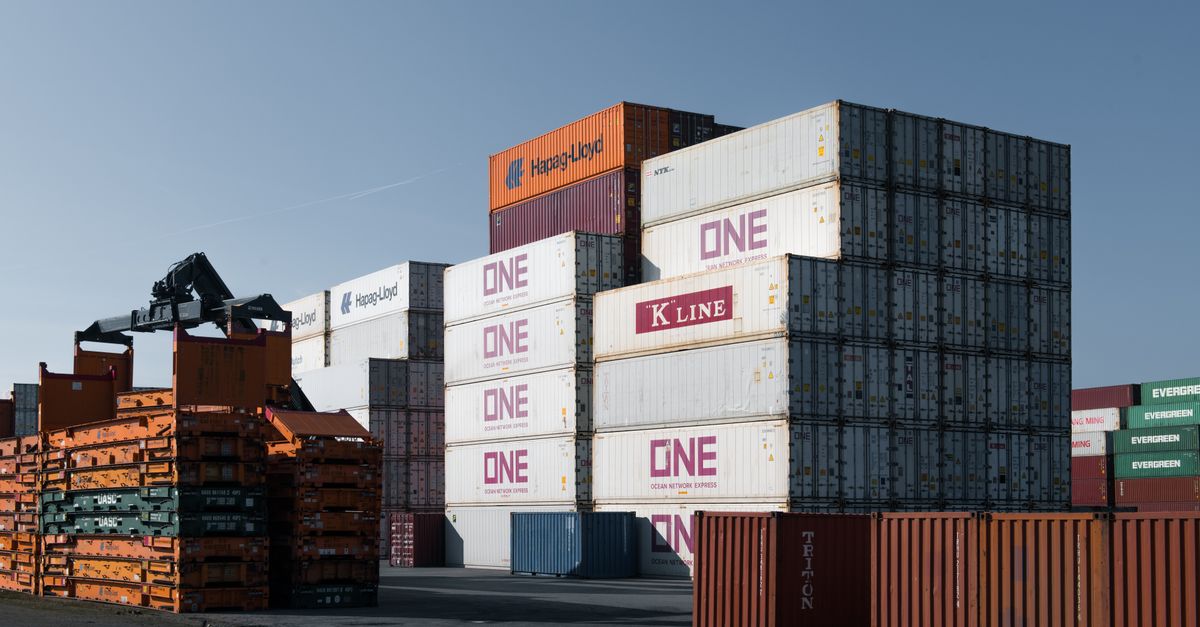
Maritime freight is a crucial part of global trade. It involves transporting goods by sea, which can be more cost-effective than air freight. Companies often choose maritime freight for large shipments. The process begins with booking space on a ship, followed by loading the cargo. Once the ship reaches its destination port, the goods are unloaded and transported to their final location. Understanding the logistics of maritime freight helps businesses save money and time. It is important to consider factors like shipping routes, customs regulations, and delivery times. Overall, maritime freight plays a vital role in international commerce.
⚡ Learning goals
- Understand maritime freight processes
- Use key vocabulary related to shipping
- Discuss advantages of maritime transport
🔑 Key language
- Maritime freight is cost-effective. Using maritime freight can reduce shipping costs.
- Shipping routes are important. Choosing the right shipping route can save time.
- Customs regulations must be followed. All shipments must comply with customs regulations.
🌍 Global comprehension
AI writing analysis
Task: Explain why maritime freight is important for businesses.
Write a short paragraph using key vocabulary from the lesson.
Success criteria: Clear explanation with relevant vocabulary.
- maritime freight
- cost-effective
- shipping routes
- simple present
- connectors of reason
✍️ Vocabulary
🧠 Flashcards interactives
Choisissez la bonne réponse, écoutez le modèle, puis répétez à voix haute.
⚙️ Rules & Grammar
🟣 Using the Simple Present
Rule:
The simple present tense describes regular actions or facts. It is often used for routines or general truths.
- Maritime freight reduces costs.
- Companies choose maritime transport.
- Shipping routes are planned carefully.
- Confusing present with past tense. → Use the simple present for current facts.
- Omitting the subject in sentences. → Always include a subject in your sentences.
🟣 Understanding Shipping Routes
Rule:
Shipping routes are the paths ships take to transport goods. Choosing the right route can affect delivery times and costs.
- The fastest route is often the most expensive.
- Shipping routes vary by destination.
- Planning routes helps avoid delays.
- Ignoring route planning. → Always consider the best route for efficiency.
- Assuming all routes are the same. → Research different routes for each shipment.
🟣 Following Customs Regulations
Rule:
Customs regulations are laws that govern the import and export of goods. Following these regulations is essential for smooth shipping.
- All shipments must pass through customs.
- Failure to follow regulations can cause delays.
- Understanding customs helps avoid fines.
- Neglecting customs paperwork. → Always prepare necessary documents.
- Assuming customs is optional. → Customs regulations are mandatory for shipping.
🟣 Advantages of Maritime Freight
Rule:
Maritime freight has several advantages, including cost-effectiveness and capacity for large shipments. It is often preferred for international trade.
- Maritime freight is cheaper than air freight.
- It can carry large volumes of goods.
- Many businesses rely on maritime transport.
- Choosing air freight for large shipments. → Use maritime freight for bulk transport.
- Overlooking cost comparisons. → Always compare costs before deciding.
🧩 Guided practice
Mini-dialogue:
"How do we handle the next shipment?" "We should use maritime freight to save costs."
Why this matters:
Understanding maritime freight helps businesses make informed shipping decisions.
Verb & Adjective Pack:
Learn key terms and processes for effective maritime transport.
AI oral analysis
Oral task: Describe the importance of maritime freight in global trade.
Use vocabulary and structures from the lesson.
Success criteria: Clear explanation with relevant vocabulary and examples.
- freight
- logistics
- shipment
- simple present
- connectors of reason
🚀 Quick challenge
Listen to the model, repeat aloud, then retry to improve your score.
AI Conversation Mission
You are discussing shipping options with a colleague.
- Explain the benefits of maritime freight.
- Ask about the next shipment's route.
- Discuss customs regulations for the shipment.
Be clear and concise when discussing logistics.